Artificial Intelligence and Postgraduate Supervision in Higher Education
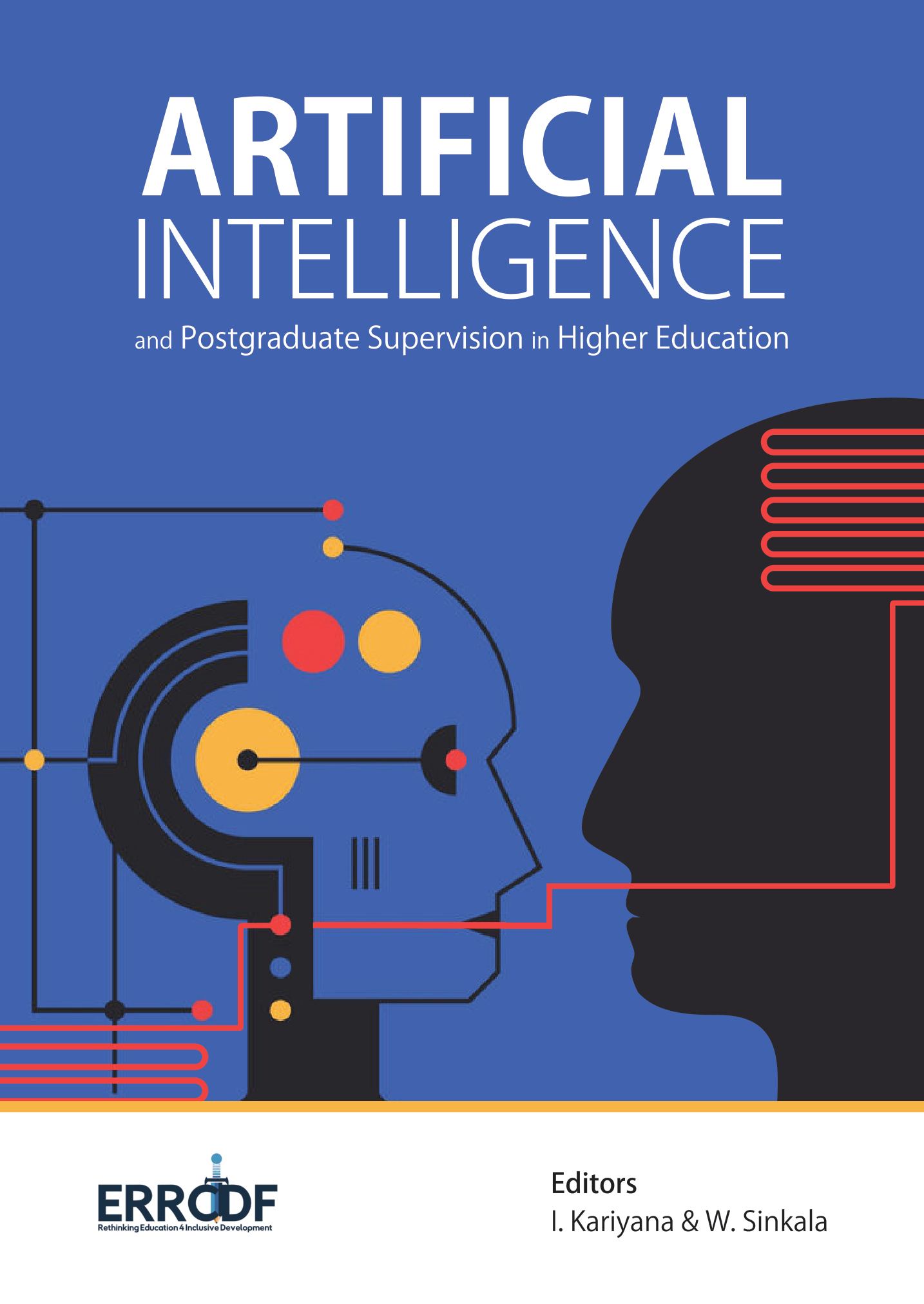
Postgraduate supervision is undergoing a transformation as generative artificial intelligence becomes increasingly integrated into literature searches, drafting, data analysis, and feedback processes. However, supervisory models have not developed at the same pace, and much of the existing literature primarily addresses AI in general teaching contexts rather than the unique pedagogical, ethical, and epistemological demands associated with postgraduate research. Evidence regarding supervision within AI-rich environments remains limited, fragmented, and under-theorised, leaving universities to maintain research quality without clear frameworks for AI-informed supervision. Concurrently, insufficient attention has been paid to supervisors' preparedness, digital competence, and institutional support, particularly in contexts where policy guidance and structured AI training are inconsistent. Absent deliberate capacity development, disparities across institutions and disciplines are likely to widen. Furthermore, while generative tools can enhance efficiency and linguistic fluency, they also raise concerns about superficial sophistication that may obscure conceptual weaknesses, foster over-reliance, and erode independent scholarly voice. Given that the central purpose of supervision is to cultivate autonomous researchers capable of rigorous, original knowledge production, there is an urgent need for a coherent, human-centred framework that balances innovation with integrity. This volume addresses that need, repositioning supervision as a critical, relational practice in the era of artificial intelligence.
ISBN: 978-1-0492-7538-3 (e-book)
ISBN: 978-1-0492-7537-6 (print)
EDITORS:
Prof. Israel Kariyana
Prof. Winter Sinkala
Published:
2026-03-10